

Sustaining a constantly clear and sanitary atmosphere is needed for both residential and professional spaces. Clear surroundings not just produce a good impact but also help health, productivity, and safety. In today's fast-paced lifestyle, typical maintenance cleaning (hoolduskoristus) plays a crucial role in avoiding soil buildup, reducing dangerous microorganisms, and ensuring that places stay structured and pleasant over time.
Data highlight the rising importance of structured cleaning routines. Studies indicate that workplaces with appropriate maintenance cleaning applications may decrease the spread of bacteria by almost 30%, while well-maintained environments increase staff productivity by as much as 15%. These numbers show how ongoing cleaning techniques donate to equally health and operational efficiency.
Why Is Maintenance Cleaning Important?
Maintenance cleaning guarantees that spaces stay regularly clear rather than waiting until dust and litter accumulate. As opposed to heavy cleaning occasionally, maintenance cleaning targets schedule projects conducted daily or weekly.
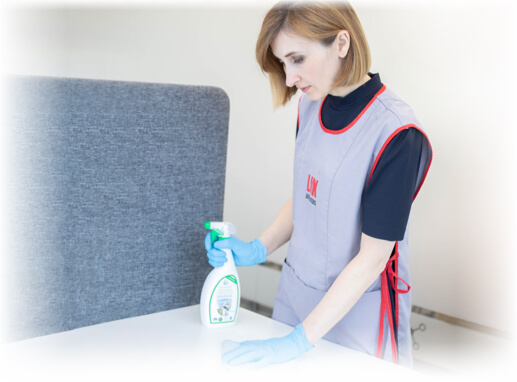
According to industry studies, around 70% of service managers believe that preventive cleaning exercises considerably lower long-term maintenance costs. By handling minor cleaning responsibilities often, businesses avoid costly fixes or considerable repair work in the future.
What Areas Should Be Prioritized?
High-touch surfaces and frequently employed areas must generally obtain the most attention. These include door grips, tables, light turns, restrooms, and distributed equipment. Germ sign is almost certainly to happen on these surfaces.
Study implies that high-touch areas can carry 1000s of microorganisms per sq centimeter if not washed regularly. Prioritizing these parts assists reduce contamination and protects the healthiness of occupants.
How Often Should Maintenance Cleaning Be Done?
The frequency of maintenance cleaning depends on the environment. For instance, offices and industrial spots on average need everyday attention, while residential areas might follow a regular routine.
Business surveys show that 60% of companies apply day-to-day cleaning schedules to maintain hygiene standards. Typical cleaning times stop the escalation of dirt, contaminants, and harmful microorganisms.
What Tools and Products Improve Cleaning Efficiency?
Utilising the right instruments is needed for powerful maintenance cleaning. Microfiber fabrics, eco-friendly cleaning alternatives, vacuum programs, and disinfectants are widely recommended.
New statistics demonstrate that microfiber cleaning systems may eliminate as much as 99% of microorganisms from materials without requesting exorbitant chemicals. This makes them equally environmentally friendly and extremely efficient.
How Does Maintenance Cleaning Support Health?
Clear environments somewhat reduce the chance of illness. Dirt, allergens, and bacteria frequently acquire in poorly preserved spaces, which can trigger respiratory issues and infections.
Wellness research shows that proper cleaning exercises can decrease the distribute of popular office ailments by around 20%. Maintaining health requirements thus attributes directly to healthier interior environments.
What Are the Long-Term Benefits?
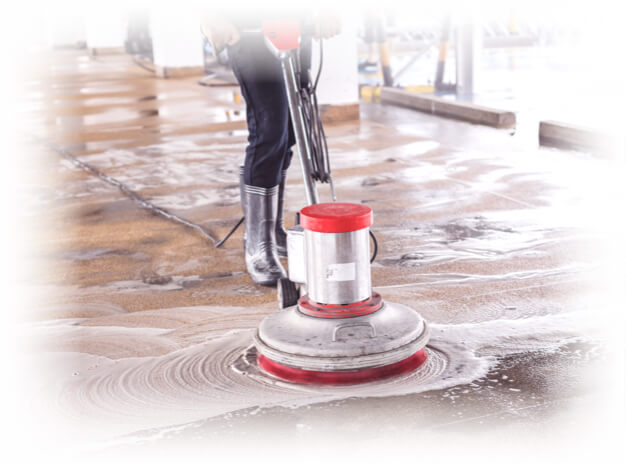
Maintenance cleaning is not only about appearance—it shields resources and extends the lifespan of furniture, flooring, and equipment. Dirt buildup may harm areas over time, leading to unwanted replacements.
Statistics indicate that firms employing preventive cleaning applications can extend the lifetime of office furniture and flooring by around 40%. This makes maintenance cleaning a cost-effective technique for long-term facility management.
How Can Organizations Maintain Consistency?
Reliability is accomplished through structured cleaning schedules, qualified staff, and distinct health guidelines. Normal inspections and checklists make certain that responsibilities are finished effectively.
Professionals suggest employing documented cleaning techniques and periodic audits to keep up high hygiene standards. This approach increases accountability and guarantees that cleaning workouts stay effective.
Conclusion
Maintenance cleaning is really a elementary component of modern hygiene management. By following organized exercises, prioritizing high-touch places, and using efficient methods, individuals and organizations may maintain clean conditions throughout the year.
The rising body of data encouraging preventive cleaning shows their importance for health, output, and long-term cost savings. With appropriate preparing and consistent delivery, maintenance cleaning becomes a powerful strategy for creating safe, hygienic, and pleasant spaces.