

Vertigo is a medical problem that creates a rotating feeling or feeling of discrepancy, frequently making easy daily activities difficult. It can arise instantly and might last from a few seconds a number of hours depending on the underlying condition. Health specialists note that vertigo affects millions of people worldwide every year and is generally associated with dilemmas within the inner ear or the anxious system. Medical studies show that knowledge vertigo causes is essential for early diagnosis and proper treatment since different causes may involve different medical approaches.
What are the most common medical reasons behind vertigo?
Medical reports reveal that internal hearing disorders are responsible for most of vertigo cases. The inner hearing controls stability and spatial direction, and any disruption in this area may cause dizziness or rotating sensations.
Several generally reported causes include benign positional balance problems, internal head attacks, vestibular nerve irritation, and migraine-related harmony problems. Research knowledge from neurological clinics suggests that positional harmony disorders alone account for nearly 40% of recognized vertigo cases. These situations arise when little calcium contaminants inside the inner hearing transfer to the incorrect portion of the balance canal.

How often does vertigo affect adults globally?
In accordance with worldwide health statistics, around 15–20% of people experience vertigo symptoms one or more times inside their lifetime. Reports conducted by neurological study institutions show that the situation becomes more popular with age.
Among adults over age of 60, almost 30% report repeating stability problems or spinning sensations. Girls are slightly prone to knowledge vertigo than men as a result of hormonal impacts and higher charges of migraine-related stability disorders.
Medical researchers also highlight that vertigo reports for a significant quantity of crisis hospital trips every year because sudden dizziness may mimic symptoms of more serious neurological conditions.
Can neurological conditions lead to vertigo?
While internal hearing issues are the absolute most frequent trigger, neurological situations can also play an important role. When the head areas responsible for harmony and spatial recognition are influenced, vertigo may possibly develop.
Conditions that can result in vertigo contain:
Migraine-related stability disturbances
Decreased body movement to the brain
Certain neurological disorders affecting coordination
Mind accidents that affect balance centers
Health specialists record that neurological causes make-up around 10–15% of vertigo cases. Early evaluation is very important because some neurological conditions need immediate medical attention.
What lifestyle factors may increase the risk of vertigo?
Life style habits can also influence the likelihood of experiencing vertigo symptoms. Reports declare that many facets might boost the odds of stability disturbances.
These generally include high strain degrees, lack of sleep, contamination, and unexpected mind movements. Individuals who invest long hours taking a look at monitors or in positions that stress the neck may also experience dizziness due to muscle strain and flow changes.
Statistics from occupational wellness study suggest that company personnel and people with inactive routines report dizziness signs more frequently in comparison to those that maintain standard bodily activity.
Are vertigo symptoms always related to the inner ear?
Perhaps not always. While the internal hearing is the most common supply, vertigo can also result from circulatory dilemmas, medication negative effects, or metabolic changes. Some medications that influence body stress or the worried system can result in temporary dizziness.
Furthermore, situations such as for example anemia, reduced blood force, or sudden lowers in glucose levels can make indicators similar to vertigo. Because of these overlapping symptoms, medical evaluation is important for pinpointing the precise cause.
What do health statistics reveal about vertigo diagnosis and recovery?
New wellness studies show that early diagnosis significantly improves treatment outcomes. Approximately 80–90% of vertigo instances may be effortlessly maintained through targeted therapies such as repositioning maneuvers, medication , harmony therapy, or lifestyle adjustments.
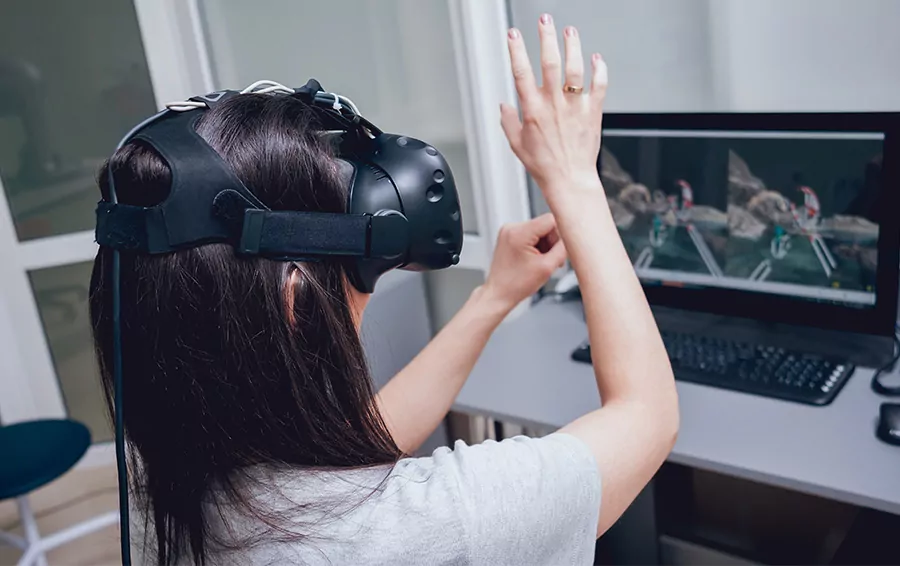
Clinical rehabilitation applications centered on harmony training have shown healing changes of as much as 70% in people experiencing persistent vertigo symptoms.
Medical practioners stress that consciousness, early medical consultation, and correct analysis are key to reducing long-term problems associated with harmony disorders.
Why understanding vertigo causes is important
Vertigo is not a illness itself but a sign that could happen from many main conditions. Knowledge the causes, chance factors, and health statistics surrounding vertigo assists individuals and healthcare professionals recognize the very best treatment approach.
With continued medical research and improved diagnostic practices, healthcare experts are now greater equipped to spot vertigo-related problems earlier. As understanding grows, more patients can control signs efficiently and maintain a higher quality of life through appropriate medical care and life style adjustments.